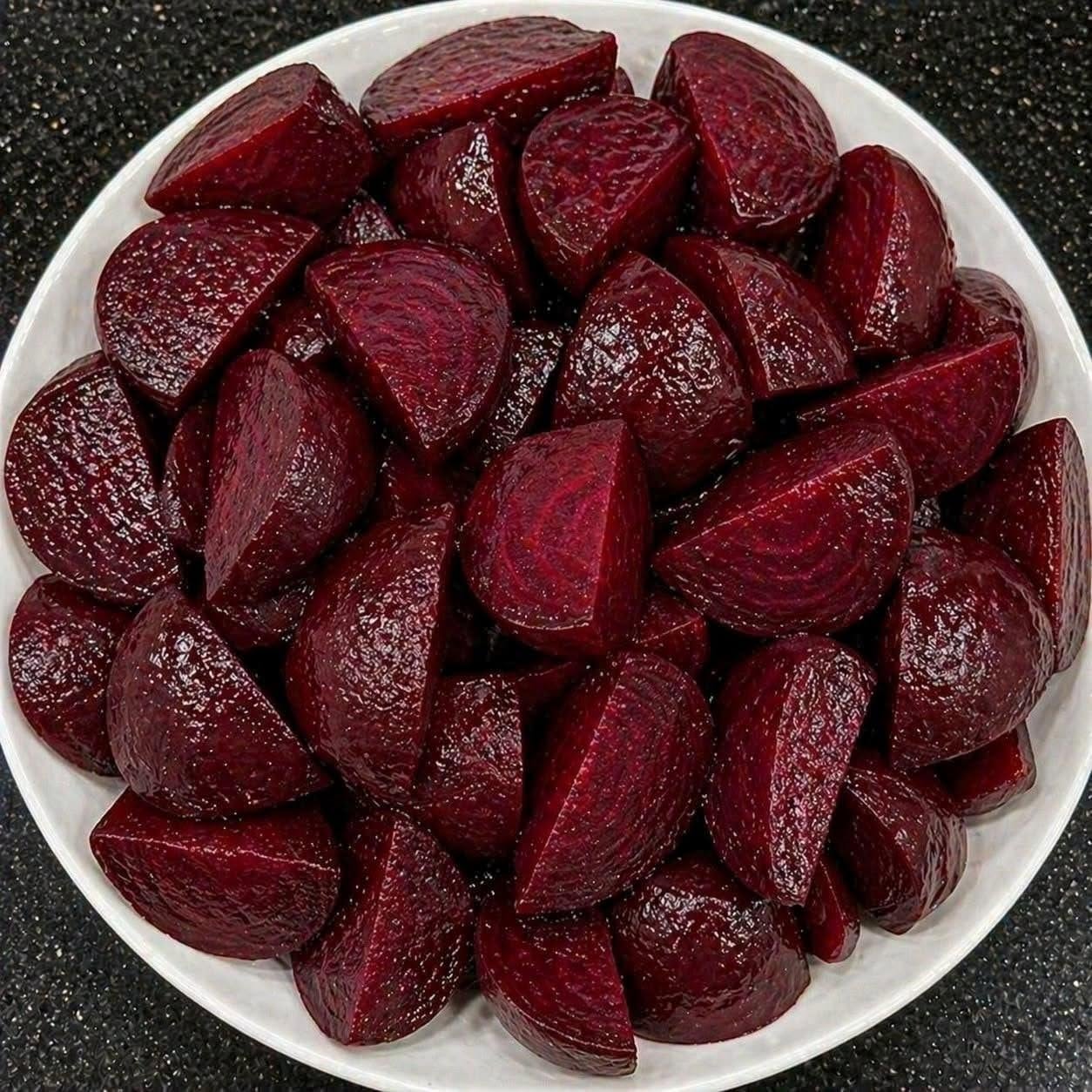
Their nutritional composition includes folate, vitamin C, B-group vitamins, minerals, and bioactive phytochemicals.
Fiber is particularly valuable because it contributes to normal digestive function and can help make meals more filling.
Eating whole beets also provides a different nutritional package than consuming isolated beetroot nitrate supplements.
6. Fermented Beets Can Contain Beneficial Microorganisms
Fermentation is different from simply soaking vegetables in vinegar.
In lacto-fermentation, naturally occurring or added lactic-acid bacteria convert carbohydrates into lactic acid. This lowers the pH and helps preserve the vegetable.
Studies examining fermented beetroot have identified lactic-acid bacteria with interesting probiotic potential. Researchers have isolated organisms such as Lactococcus lactis and Weissella cibaria from fermented beetroot and investigated their characteristics in laboratory settings.
Other research has isolated Lactobacillus species from fermented beetroot and found potentially interesting probiotic properties in laboratory testing.
But there is an important caveat: