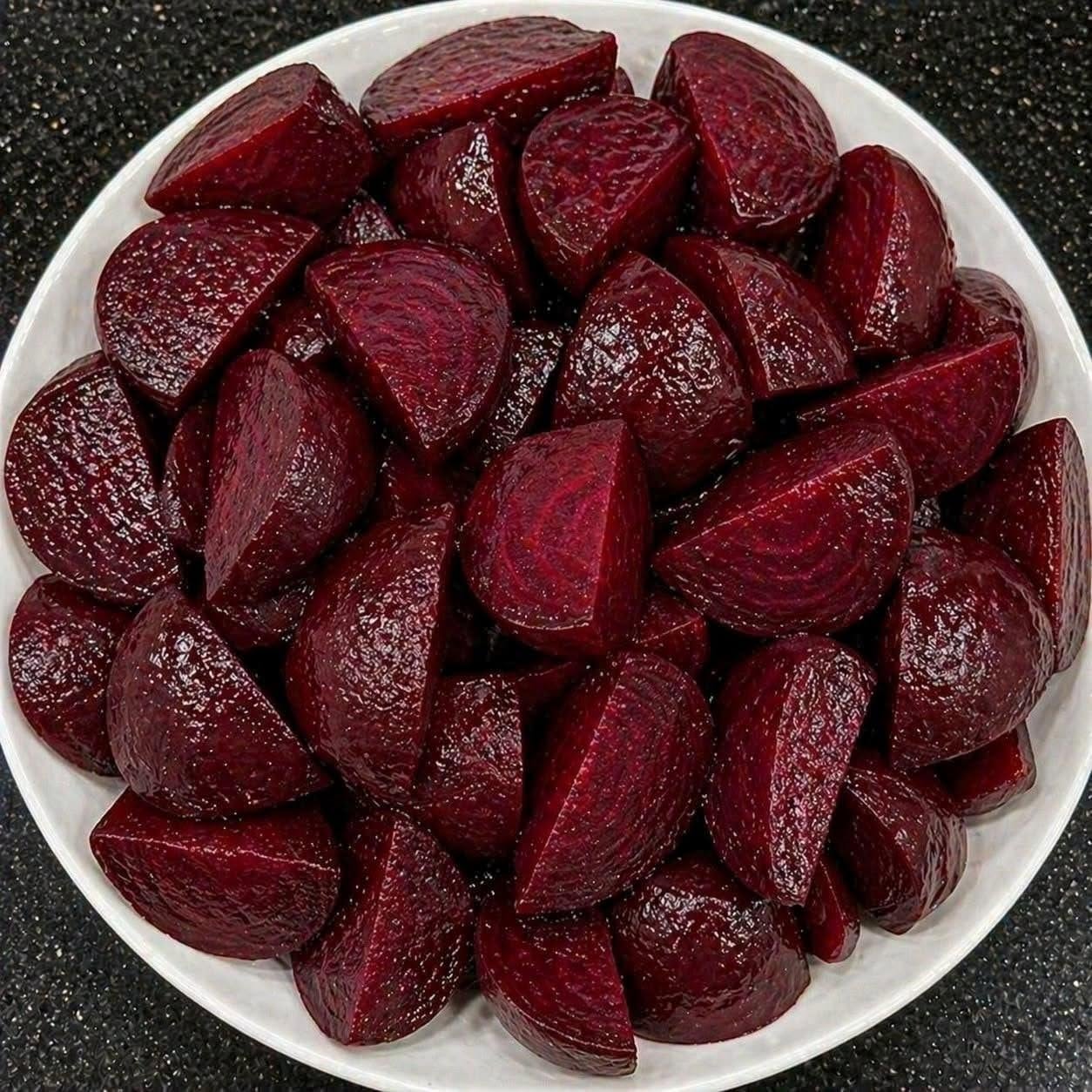
Research examining beetroot and inorganic nitrate has reported improvements in endothelial function, which refers to how well the inner lining of blood vessels functions. A meta-analysis of randomized trials found an association between nitrate/beetroot consumption and improved vascular function.
The effects can vary according to factors such as the amount of nitrate consumed, age, baseline blood pressure, and overall cardiometabolic health.
3. Beets May Help Exercise Performance
Beetroot has become popular among athletes because of its nitrate content.
Nitrate may improve the efficiency of oxygen use during certain types of exercise. A systematic review involving more than 1,700 participants found a small but statistically significant improvement in exercise performance following nitrate consumption, with beetroot juice among the forms showing effects.
Earlier meta-analyses also found benefits in certain endurance and time-to-exhaustion tests, although the effects were not equally consistent across every type of exercise.
So, beets are not a guaranteed performance enhancer, but their nitrate content may be useful for some forms of physical activity.
4. Beets Are Rich in Betalains
The striking red-purple color of beetroot comes largely from betalain pigments, particularly betacyanins such as betanin.
These compounds have antioxidant and anti-inflammatory properties in laboratory and experimental research. Reviews of beetroot research have identified potential effects involving oxidative stress, inflammation, blood vessels, lipid metabolism, and glucose metabolism.
However, an important distinction should be made:
Laboratory evidence is not the same as proof of a clinical treatment effect in humans.
Research continues to investigate how much of these compounds is absorbed and what effects they produce in people.
5. They Provide Useful Nutrients and Fiber
Whole beets provide dietary fiber along with vitamins, minerals, and a variety of plant compounds.