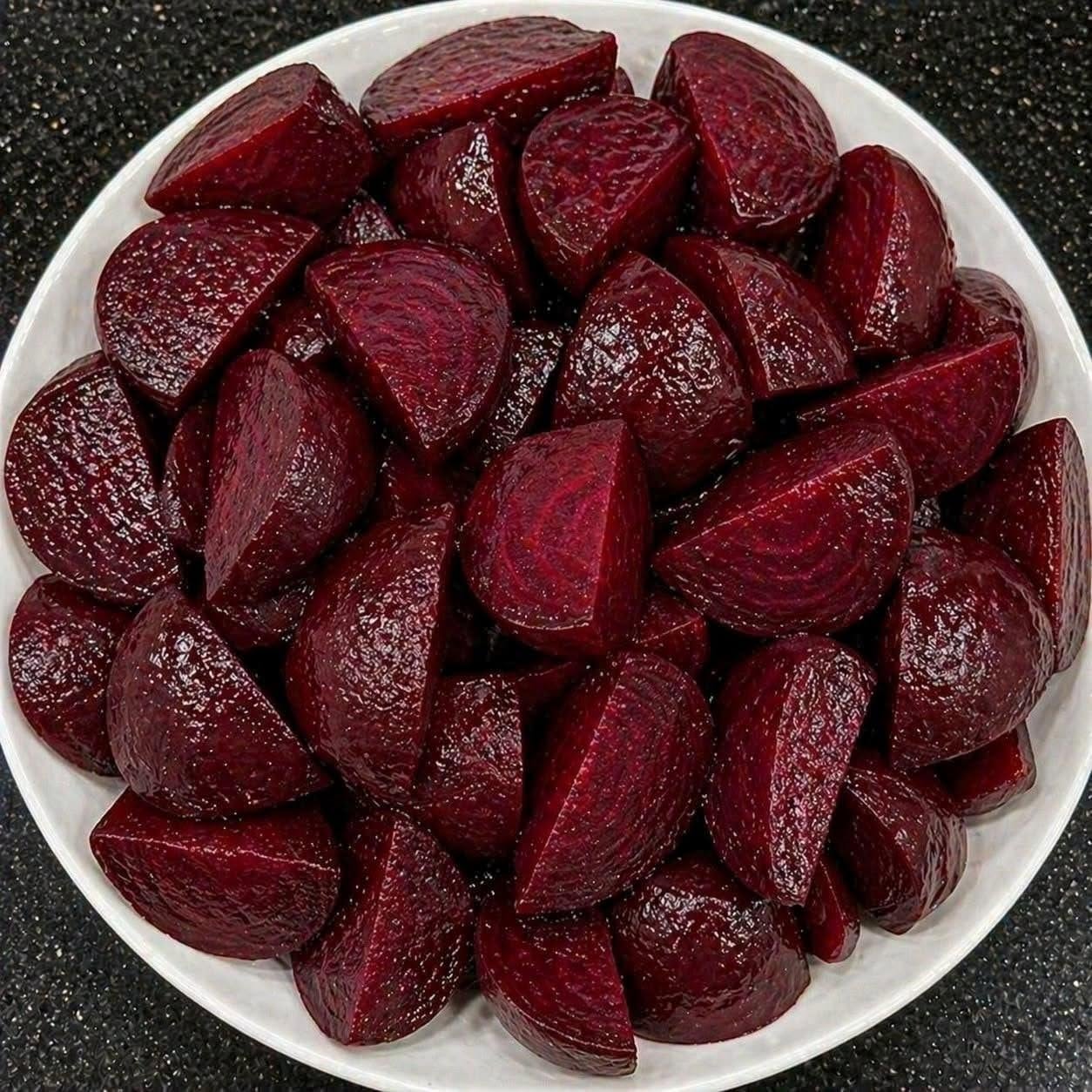
finding potentially beneficial bacteria in fermented beets does not prove that eating fermented beets produces a specific health benefit in humans.
7. Fermented Vegetables May Influence the Gut Microbiome
Research on fermented vegetables more broadly is promising but still developing.Explore Food Tech
A human pilot study involving women found that consuming approximately 100 grams of fermented vegetables per day for six weeks was associated with changes in some gut bacterial populations, although inflammatory markers did not significantly change.
Another randomized controlled trial involving 87 adults found that consuming fermented vegetables regularly for eight weeks did not significantly change several inflammatory biomarkers or overall bacterial alpha diversity.
This illustrates why claims about fermented foods should be made carefully. Fermented foods may influence the gut microbiome, but the magnitude and clinical importance of those effects are not yet fully established.
8. Fermentation May Produce Additional Bioactive Compounds
Fermentation doesn’t simply preserve vegetables. Microorganisms can transform some components of food and produce compounds such as organic acids and other microbial metabolites.
Reviews of fermented fruits and vegetables describe potential antioxidant, anti-inflammatory, metabolic, and blood-pressure-related effects, but they also emphasize that the results depend on the microorganisms and fermentation conditions involved.
This means that two fermented beet products may not necessarily have identical nutritional or microbial characteristics.
9. Fermented Beets May Support Digestive Health as Part of a Fermented-Food Diet
Evidence concerning fermented foods and gastrointestinal health has become increasingly interesting.
A 2025 systematic review and meta-analysis of 25 studies, including 19 randomized controlled trials, reported improvements in several gastrointestinal outcomes associated with fermented-food consumption, including bowel-movement frequency, stool consistency, intestinal transit time, and some gastrointestinal symptoms. However, the researchers noted that the certainty of evidence varied and was often low.
These findings concern fermented foods generally, not fermented beets specifically.
Therefore, it would be more accurate to say that fermented beets can contribute to a diet containing fermented vegetables rather than claiming that fermented beets have been proven to treat constipation or digestive disease.
10. Beets and Fermented Beets Are Not the Same Thing
There are several important differences.
Fresh or cooked beets
These primarily provide:
Dietary nitrate
Fiber
Betalains
Folate