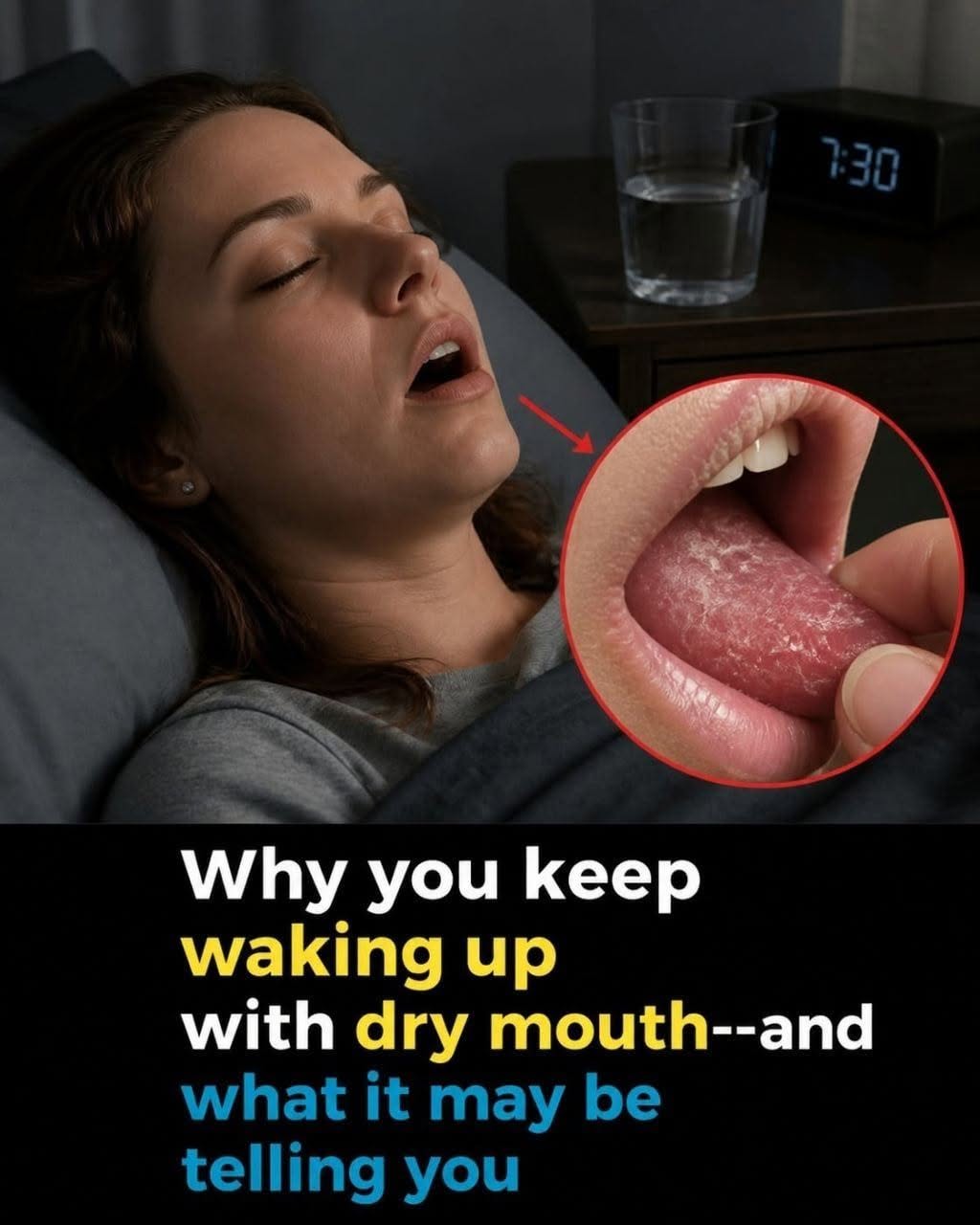
Dehydration: Insufficient fluid intake, especially before bedtime, can reduce saliva production.
Breathing Through the Mouth: People who breathe through their mouths at night due t0 congestion or habit may experience dry mouth.
Medications: Many medications, including antihistamines, decongestants, and some antidepressants, can cause dry mouth as a side effect.
Underlying Health Conditions: Conditions like diabetes, Sjögren’s syndrome, and autoimmune diseases can lead to chronic dry mouth.
Aging: Saliva production tends to decrease as we age, making older adults more prone to dry mouth.
Snoring or Sleep Apnea: Breathing issues during sleep, like snoring or sleep apnea, can cause mouth breathing, leading to dryness.
Common Medications That Cause Dry Mouth
Medication Category Common Examples Why It Causes Dryness
Antihistamines Cetirizine, Chlorpheniramine, Loratadine Block histamine receptors that stimulate
saliva
Decongestants Pseudoephedrine, Phenylephrine Reduce secretions including saliva
Antidepressants (TCAs, SSRIs) Amitriptyline, Fluoxetine, Sertraline Anticholinergic effects suppress salivary glands
Antipsychotics Olanzapine, Clozapine, Haloperidol Strong anticholinergic activity
Blood Pressure Medications Amlodipine, Atenolol, Hydrochlorothiazide Diuretic effect leads to dehydration
Diuretics Furosemide, Spironolactone Increase fluid loss, reducing saliva
Muscle Relaxants Cyclobenzaprine, Baclofen Anticholinergic side effects
Bladder Medications Oxybutynin, Solifenacin Specifically designed to reduce secretions
Parkinson’s Medications Trihexyphenidyl, Benztropine High anticholinergic activity
Important: If you take any of these medications and experience dry mouth, do not stop your medication without medical advice. Speak to your prescribing doctor about possible alternatives or dosage adjustments. Your dentist can help manage the oral health consequences.
ComparePrescription Prices
Dry Mouth at Night
Many people experience dryness of mouth specifically during sleep or upon waking, and the nighttime environment has its own set of triggers distinct from daytime dryness.
Mouth Breathing: When you breathe through your mouth instead of