When to Get Checked
Speak with a healthcare professional if nighttime symptoms keep happening or if you also notice increased hunger, unexplained weight loss, slow-healing sores, frequent infections, mood changes, or numbness in the hands or feet.
A doctor may recommend blood sugar tests such as fasting glucose, A1C, random blood glucose, or an oral glucose tolerance test. Symptoms can raise suspicion, but testing is the only reliable way to know what is happening.
When Symptoms May Be Urgent
Seek urgent medical help if you have severe weakness, confusion, fainting, trouble breathing, vomiting, severe dehydration, fruity-smelling breath, extreme drowsiness, or symptoms that feel dangerous. NIDDK notes that diabetic ketoacidosis can be a medical emergency and may happen when the body does not have enough insulin.
Final Thoughts
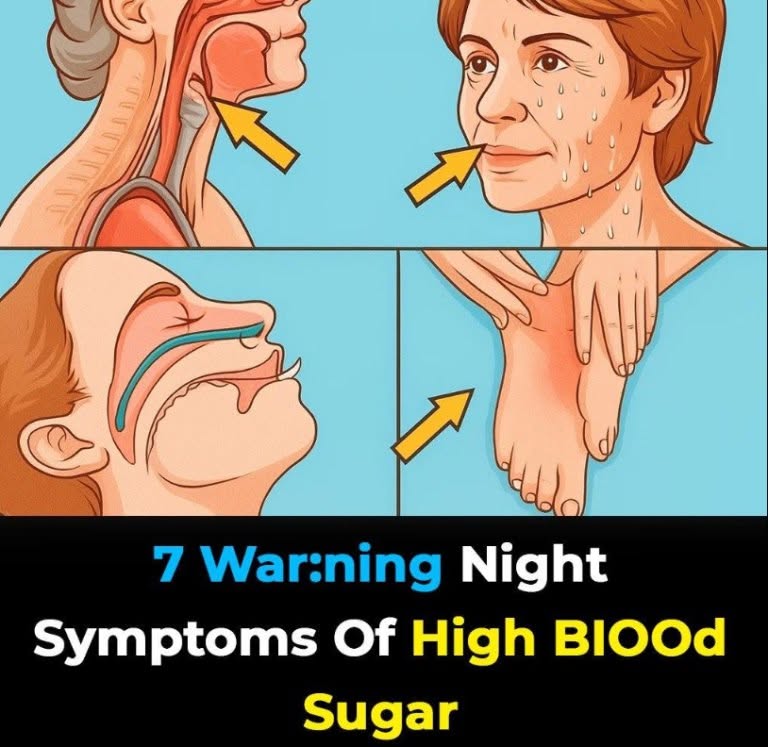
Seven nighttime symptoms that may be linked to high blood sugar include frequent urination, strong thirst, restless sleep, night sweats, blurry vision, tingling feet, and morning fatigue or headaches.
These signs do not always mean diabetes, but they should not be ignored if they keep returning. A simple blood sugar test can help you understand what is going on and take action early.
Disclaimer:
This article is for general educational information only and does not replace medical advice, diagnosis, or treatment. If you have persistent symptoms or signs of high blood sugar, speak with a healthcare professional.