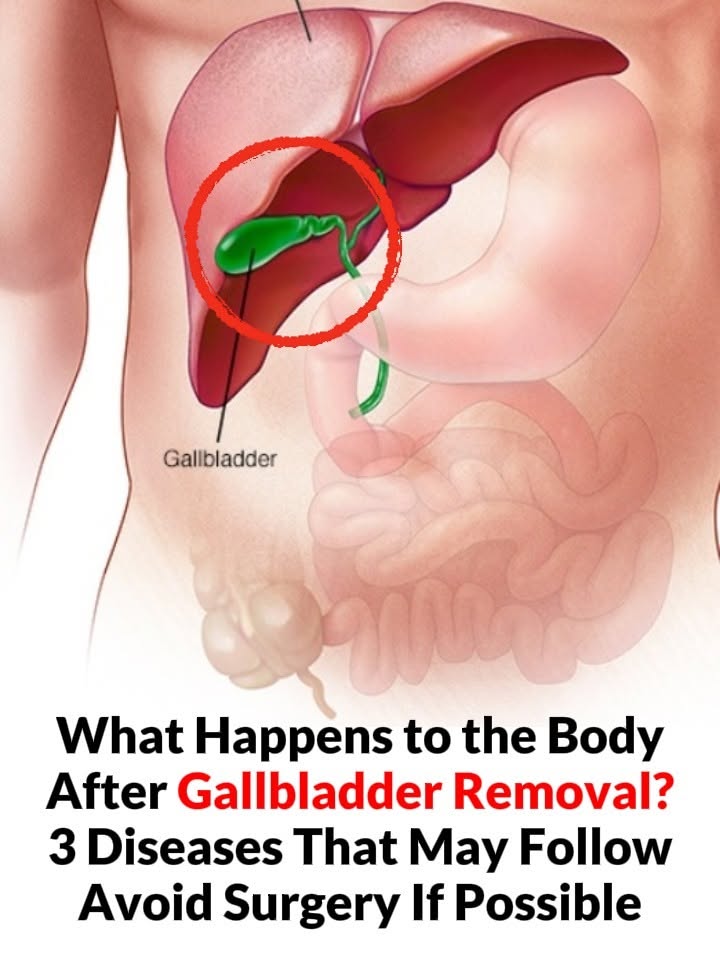
There is no universal “gallbladder removal diet.”
Most people eventually return to a normal balanced diet.
During recovery, however, large amounts of fat can sometimes trigger digestive discomfort because the body no longer has a concentrated release of stored bile available after meals.
Foods that some people temporarily find difficult include:
fried foods
very fatty meats
rich creamy sauces
large amounts of butter or oil
high-fat fast food
heavily processed meals
Tolerance varies considerably from person to person.
Foods That May Be Easier After Surgery
During the early recovery period, many people find it easier to eat:
smaller meals
lean proteins
cooked vegetables
oats and other whole grains
rice or potatoes
fruit
low-fat dairy if tolerated
gradually increasing amounts of fiber
Fiber can help regulate bowel movements, but increasing it too rapidly may worsen bloating and gas.
Should You Avoid Gallbladder Surgery If Possible?
Not automatically.
If gallstones are discovered incidentally and cause no symptoms, surgery may not always be necessary. A doctor can assess whether observation is appropriate.
But when gallbladder disease repeatedly causes symptoms or complications, surgery can be the safest treatment.
Conditions that may require gallbladder removal include:
repeated painful gallstone attacks
acute gallbladder inflammation
gallbladder infection
gallstones blocking bile ducts
gallstone-related pancreatitis
certain gallbladder abnormalities
Trying to avoid medically necessary surgery can sometimes be more dangerous than undergoing the procedure.
What Can Happen If Serious Gallbladder Disease Is Left Untreated?
Complications of gallstones can include:
Acute cholecystitis
A gallstone can block the outlet of the gallbladder, producing painful inflammation and sometimes infection.
Pancreatitis
A stone can obstruct the area where bile and pancreatic ducts drain, causing inflammation of the pancreas.
Gallstone pancreatitis can be severe.
Bile duct obstruction
A stone blocking the common bile duct may cause jaundice and liver-related blood-test abnormalities.
An infected blocked bile duct can cause fever, abdominal pain, jaundice, and potentially life-threatening infection.
These are major reasons doctors may recommend surgery rather than simply managing symptoms indefinitely.
Can Gallstones Be Removed Without Removing the Gallbladder?
In selected situations, doctors can remove stones from the common bile duct using a procedure called ERCP.
However, this does not necessarily solve the underlying problem when stones continue forming inside the gallbladder.
Medications capable of dissolving certain cholesterol stones exist, but they work only in selected patients, may require months or years, and stones may return afterward.
For symptomatic gallstones, surgical removal of the gallbladder remains a common definitive treatment.
What About “Natural Gallbladder Flushes”?
For Complete Cooking STEPS Please Head On Over To Next Page Or Open button (>)