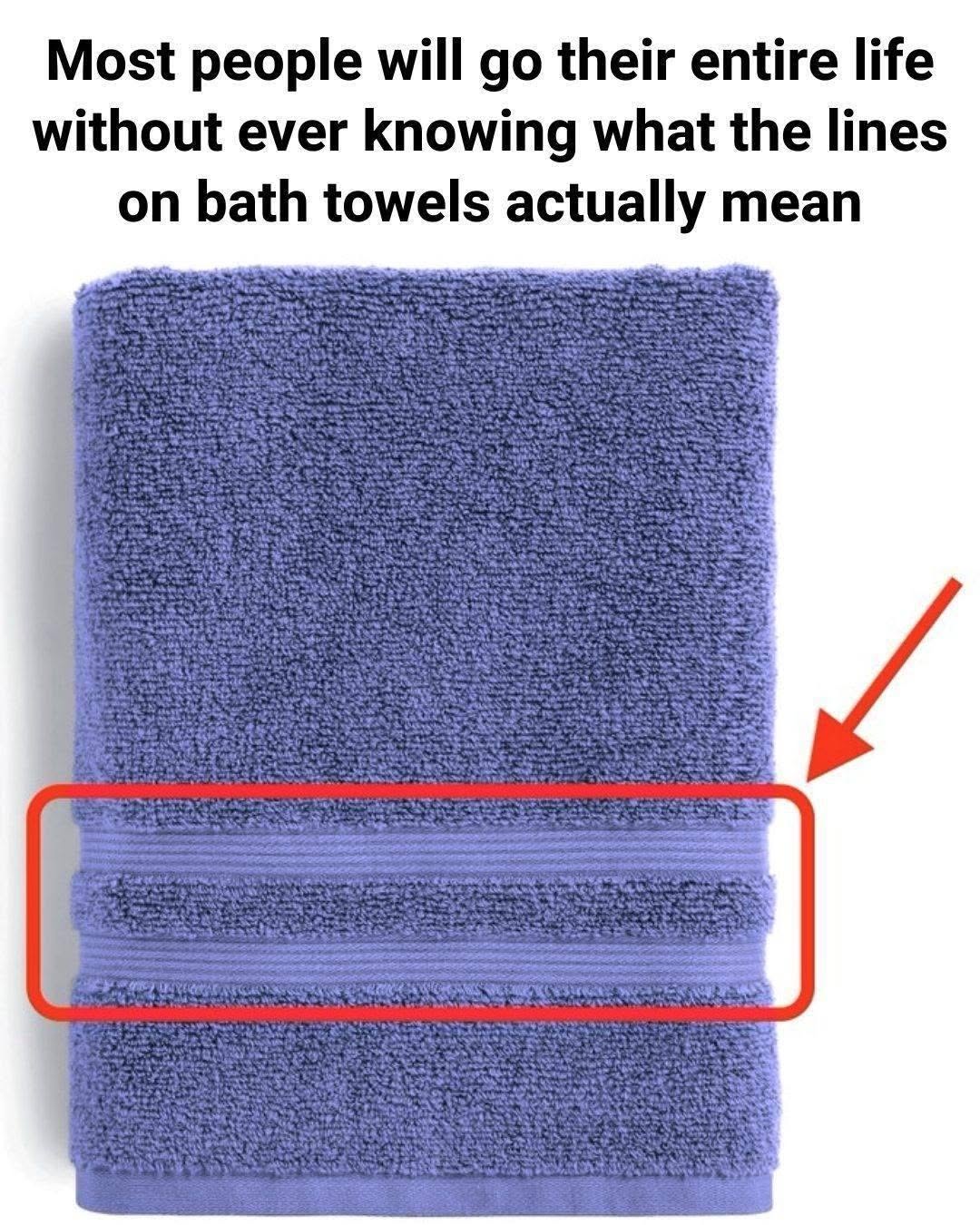
But the dobby border helps to keep that at bay. Because it’s woven more tightly than the rest of the towel, it serves as a stabilizer, preventing the fabric from stretching out too much in the wash. It’s like a built-in defence against towel wonkiness. It’s a very high-tech term, I’m aware.
And speaking of laundry, washing towels with your clothes is a horrible idea. That extra friction from zippers and buttons can break down towel fibers way faster than you’d expect. If you’ve been tossing those in with your regular laundry, it may be time to stop doing so. Mixing towels with clothing can actually damage both.
2. It Helps Prevent Fraying
So, those towel loops – let’s talk about them. Those little loops of fabric are why towels are so absorbent—but they also make them susceptible to unraveling. And where does unraveling usually begin? The edges.
This where the dobby border comes in. Since it doesn’t have loops like the rest of the towel, it acts as a protective barrier, which lessens fraying and keeps the towel from unravelling longer. Essentially, it’s the unsung hero of towel durability.
So, Is It Just Functional? Or Decorative Too?
A little of both! Manufacturers also use dobby borders to provide a little bit of flair; its primary function can be thought of as preventing stretch and fraying. Have you ever seen those fancy towels with elaborate designs woven into the edge? That’s all due to the dobby weaving technique.
Some luxury hotels and spas even customize dobby borders with their logos knitted into the fabric itself. Fancy! I mean, I’m not going to turn down the chance to wrap myself in a hotel-quality towel every day.
How to Keep the Dobby Border (and Your Towels) in Good Shape
Now that you know this section of a towel actually matters, you probably want to keep it looking and feeling good. Here’s how.
1. Wash Towels Properly
Towels collect bacteria. Fast. And if you’re not washing them frequently enough, let’s just say they’re not as clean as they appear. If you’re asking yourself how often towels should be washed to avoid germs, there’s actually a science-backed answer.
2. Skip the Fabric Softener
I know, I know – fabric softener smells incredible. But it also leaves a waxy residue on towel fibers that diminishes absorbency over time. If your towels are no longer drying you off the way they once did, that could be the reason.
3. Fix That Musty Smell
Ever taken a towel out of the closet, only to be smacked in the face with that damp, musty odor? Yeah, same. Fortunately, there are steps you can take to remove mildew smells and reinvigorate your towels. A few simple tricks can make them fresh again.
What If the Dobby Border Starts to Fray?
Designed to resist fraying, towels don’t last forever. If you see that the dobby border is beginning to unravel, don’t fret—there are steps you can take to address it.
Snip loose threads with care – whatever you do, don’t yank them! Simply cut the fibers close to the fabric to stop further fraying.
Use a little fabric glue – if the fraying is small, a tiny dab of fabric glue can shore up the edge.
Upcycle old towels – If a towel is definitely beyond saving, don’t throw it out! Old towels can become cleaning rags, pet towels, or even DIY bath mats. There are plenty of creative ways to reuse them.