
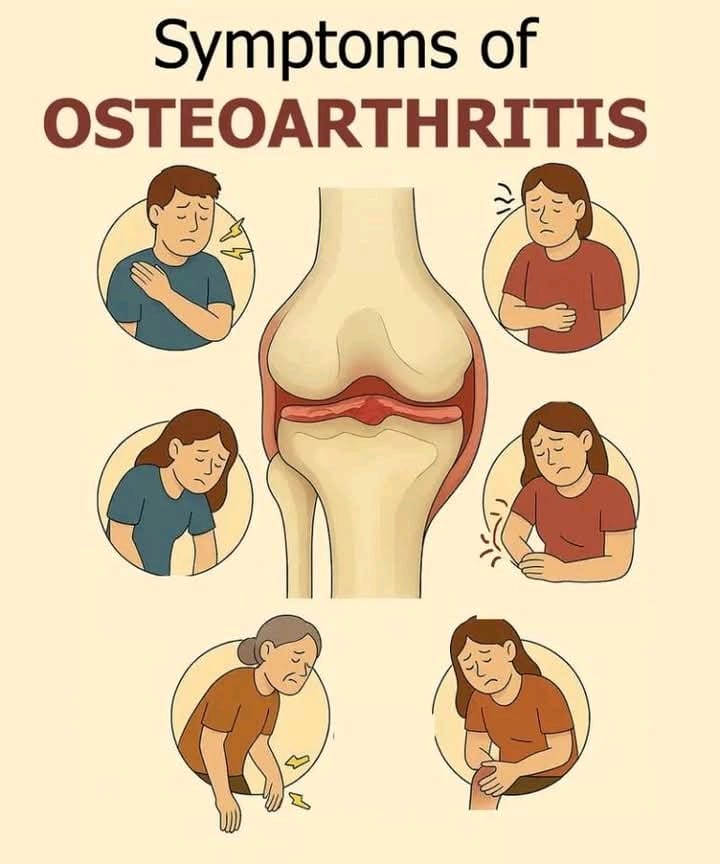
Several factors can increase the likelihood of developing osteoarthritis. Age, previous joint injuries, repetitive stress on a joint, excess body weight, and certain genetic factors can all play a role. However, having one of these risk factors does not necessarily mean that a person will develop the condition.
Although osteoarthritis cannot always be completely prevented, maintaining a healthy lifestyle can help protect the joints. Regular low-impact physical activity, maintaining a healthy weight, strengthening the muscles around affected joints, and avoiding unnecessary stress or injury can be helpful. Activities such as walking, swimming, and certain stretching or strengthening exercises may improve mobility and reduce discomfort for some people.
If joint pain or stiffness continues for a long time or begins to interfere with everyday activities, it is important to speak with a healthcare professional. A doctor can evaluate the symptoms and determine whether osteoarthritis or another joint condition may be responsible. Treatment can vary depending on the severity of the condition and may include exercise, physical therapy, lifestyle changes, pain management, or other medical treatments.
In conclusion, osteoarthritis can significantly affect movement and quality of life, but recognizing its symptoms and managing the condition appropriately can help people remain active and protect their joint function. Persistent joint pain, stiffness, or swelling should not simply be ignored, especially when these symptoms interfere with normal daily activities.


