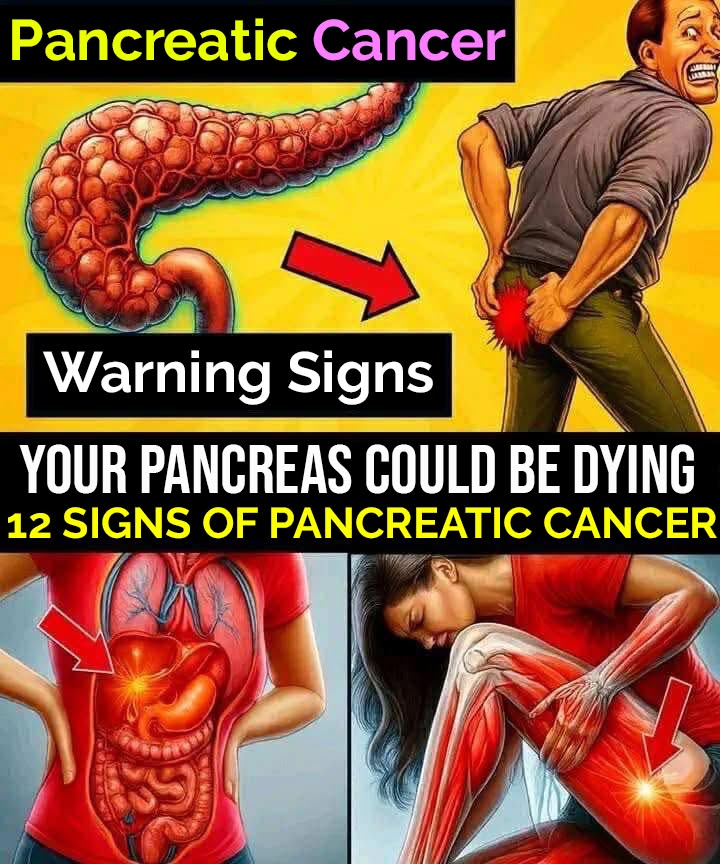
“I can’t tell you the number of patients I’ve seen who had aches and pains or diarrhea for months and just didn’t think it was worth mentioning to their doctor,” says pancreatic cancer surgeon Matthew Katz, M.D.. “Don’t dismiss these symptoms, particularly if they’re persistent or in the elderly. While they may turn out to be caused by something other than pancreatic cancer, they’re worth evaluating.”
Changes in bowel habits
Some people notice diarrhea, constipation, or unusual stool changes such as floating or greasy stools.
This happens when digestion is affected by reduced enzyme production or blockage of the pancreatic duct. These changes are often attributed to everyday digestive issues rather than something more serious.
New-onset diabetes
In some cases, pancreatic cancer affects insulin production, leading to diabetes in people who previously did not have it.
Symptoms can include increased thirst, frequent urination, fatigue, and blurred vision. Although most diabetes is unrelated to cancer, sudden onset without clear risk factors may require further investigation.
Fatigue
Persistent tiredness that does not improve with rest is also common.
This can result from the body fighting disease, changes in metabolism, poor nutrition, or anemia. Unlike normal fatigue, this exhaustion tends to be ongoing and more severe.
Blood clots
Pancreatic cancer can increase the risk of blood clots, particularly deep vein thrombosis (DVT), which may cause swelling, pain, and redness in the legs. In serious cases, clots can travel to the lungs and become life-threatening.
Fever and chills
Some patients experience low-grade fever or chills, often due to infection or inflammation, especially if bile ducts are blocked. This may be mistaken for common viral illnesses.
Itching
Itching of the skin can occur when bile salts build up in the bloodstream due to blocked bile flow. This itching can be intense, persistent, and not easily relieved by typical treatments. It may appear before other obvious signs like jaundice.
If you notice a combination of symptoms, especially persistent abdominal or back pain, jaundice, or unexplained weight loss, it is important to seek medical attention for a proper evaluation.
Conclusion
Unfortunately, we may still have to accept that pancreatic cancer is difficult to detect in its early stages for the foreseeable future.
At the same time, research in this area is moving forward. New scientific approaches are improving both detection and treatment. For example, at just 15 years old, high school student Jack Andraka gained international attention for developing a potential new test aimed at earlier detection of pancreatic cancer.
More recently, studies and clinical trials (as of 2026) have reported encouraging progress. One example includes the drug elraglusib, which, when combined with chemotherapy—has shown improved survival outcomes in some trials, including reports of increased one-year survival rates. In addition, experimental mRNA-based cancer vaccines are being investigated, with early results suggesting they may help the immune system better recognize and target pancreatic tumor cells.
While these advances are still being studied and are not yet universal cures, they represent meaningful steps forward in improving outcomes and offering hope for the future of pancreatic cancer treatment.