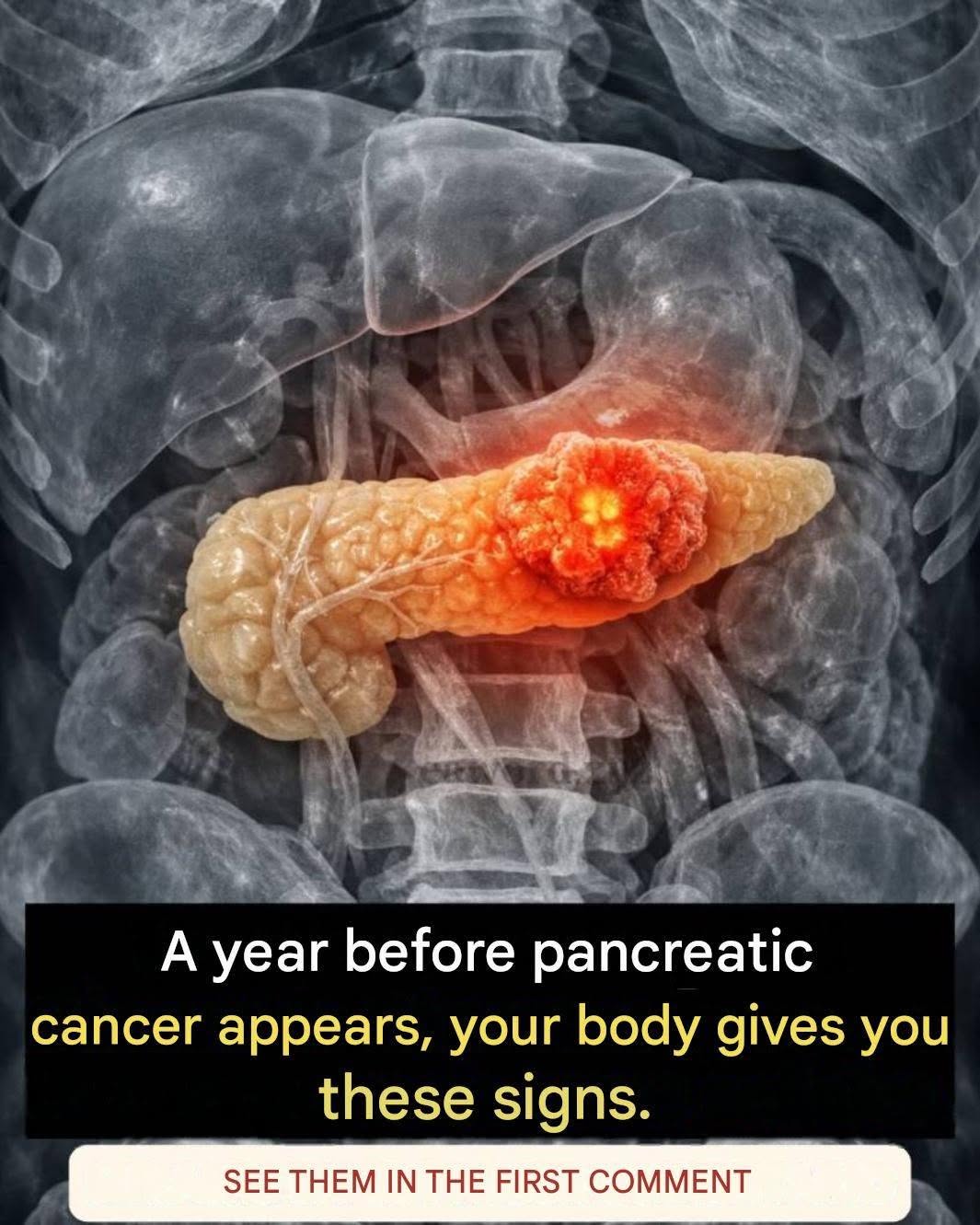
Pancreatic cancer is considered one of the most silent and aggressive tumors.
Unlike other types of cancer, its early signs are often subtle, which delays diagnosis and reduces treatment options.
Pancreaticcancer resources
BuyingEducational Human
However, the body does send warnings. Recognizing them in time can make a big difference.
What does the pancreas do and why is it key?
The pancreas is an organ located behind the stomach that performs vital functions such as producing digestive enzymes, regulating blood sugar through insulin, and participating in the metabolism of fats and proteins
When this organ is affected, the symptoms can be confused with common digestive problems.
Main early signs of pancreatic cancer
1. Persistent abdominal pain that extends to the back
This is one of the most frequent signs; the discomfort is located in the upper abdomen and can radiate to the back. It often worsens after eating, and many people confuse it with gastritis or muscle problems.
HealthConditions55 updates available
2. Unexplained weight loss:
An unexpected reduction in weight can be an important sign. It occurs even without changes in diet, may be accompanied by weakness, and is often related to poor nutrient absorption.
3. Jaundice (yellow skin and eyes)
This symptom appears when the tumor blocks the flow of bile, yellowish color in eyes and skin, dark urine, light stools and itchy skin, this is one of the clearest signs, but it does not always appear at the beginning.
4. Persistent Digestive Changes
The pancreas does not produce enough enzymes, which affects digestion, causing frequent nausea, feeling full quickly, greasy or floating stools, and lack of appetite.
5. New-onset diabetes.
In some cases, pancreatic cancer affects insulin production, resulting in a recent diagnosis with no obvious cause, especially in older adults. It can be a little-known early sign.
6. Constant fatigue
Extreme tiredness can appear even with little effort, persistent lack of energy, feeling of general weakness.
7. Changes in stool
Changes in stool can indicate problems in fat digestion. If you have pale, greasy stools with a strong bad odor, it is important to see a doctor.
Risk factors that increase the probability
– Smoking
– Obesity
– Diabetes
– Chronic pancreatitis
– Family history
When should I see a doctor?